Certifications
Acs Peptide Testing Laboratories Third-party Peptide Evaluation
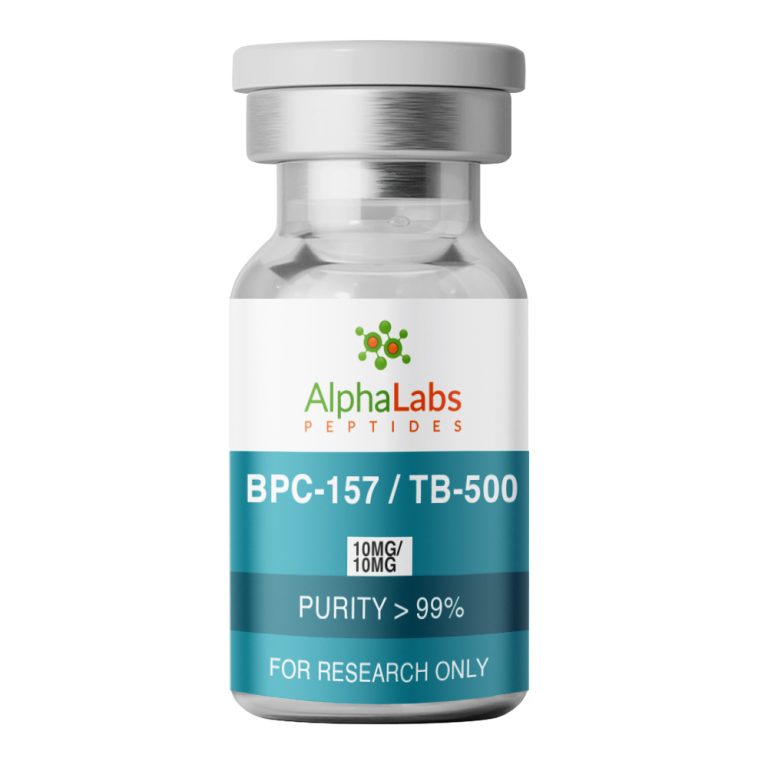
- Also if January brings unanticipated weather, these habits offer research study groups more control.
- Nothing on this web site is planned to identify, deal with, treat, or protect against any condition.
- When third-party tested peptides are reviewed externally, the testing organization operates independently from the vendor of the compound.
- The statements and the items of this firm are not intended to identify, treat, cure, or protect against any kind of illness.
- When purchasing research peptides, documents plays an essential function in helping purchasers assess what is being used.
In research laboratory study environments, logical paperwork helps verify the identification and top quality of speculative products. A Certificate of Analysis is a laboratory report that offers logical data concerning a particular batch of a compound. These outcomes aid researchers determine whether a substance meets defined peptide quality requirements prior to it is used in controlled speculative settings. A peptide certificate of analysis (COA) is a lab file that reports analytical testing results for a particular set of a peptide study substance.
What Hplc Steps
Mass spectrometry gauges the molecular mass of chemical substances. In peptide analysis, this technique assists verify whether the discovered molecular weight represents the expected peptide framework. Most COAs list the logical technique used to gauge purity or confirm identification. These approaches may include chromatographic or spectrometric methods generally made use of in logical chemistry.The screening technique provides context for how the reported measurements were acquired. The Nextday Peptides research peptide COA library offers immediate access to third-party verified Certificates of Analysis for box items across our complete magazine.Coa And Screening Discussed: A Comprehensive Guide
Repetitive Results Across Different Products
By prioritizing quality assurance, we aid scientists accomplish consistent and reproducible cause their studies. All COA paperwork, when offered, corresponds only to the particular batch/lot information available from the suitable companion. Some COA records might be available instantly within the collection, while others may require hands-on verification or additional paperwork review depending on the details set history. Taking additional steps in winter additionally assists laboratories that are busy or extended slim by new jobs. Setting up a winter months regimen, like inspecting fridges, evaluating carrier logs, or logging storage space problems, can make the handling process go smoother.HPLC can aid define pureness, while LC-MS can add helpful identity-related context when readily available. HPLC, or High-Performance Liquid Chromatography, is just one of one of the most typical analytical approaches utilized in peptide paperwork. In simple terms, it assists demonstrate how much of the sample appears as the primary compound compared to other detectable elements in the chromatographic account. This is why HPLC is often made use of to report purity percents on a peptide COA. It is essential to comprehend that a COA is only valuable when it is complete, understandable, and linked to the precise product being marketed. A paper with missing out on days, unclear approaches, or no batch referral provides buyers less self-confidence in the traceability of the product.
The International Council for Harmonisation (ICH) Q3C guidelines establish appropriate limits for residual solvents based upon their toxicity categories. Class 1 solvents must be prevented entirely, Class 2 solvents have details concentration limits, and Class 3 solvents are considered less toxic with greater appropriate levels. TFA, typically used in peptide synthesis, commonly appears at levels below 1% in effectively detoxified products.