Peptide And Peptoid Synthesis Core
Peptide And Peptoid Synthesis Core HPLC validation of pureness is crucial for peptide validation and dependable speculative end results. For peptide purity testing, reverse-phase HPLC is the standard conceptual version. The chromatographic pureness is then determined by comparing the location under the main height with the total location under all incorporated tops. Dose confirmation research study for formula examples is a substantial component of any compelling GLP study and is mandatory by the USA Fda (USFDA) for formulas dosed in toxicology studies. We offer premium, preclinical dosage solution evaluation for GLP and non-GLP studies to guarantee your study begins on the best course. NorthEast Biolab (NEBA) has more info substantial experience in all elements of dose solution analysis. Partial peptide pieces can result from incomplete synthesis or post-synthesis destruction. These pieces are typically smaller sized than the target peptide and may elute at various retention times. HPLC can show the visibility of additional optimals; LC-MS can aid appoint most likely identifications to those associated species. A solid peptide screening workflow makes use of techniques that address complementary questions. The table below is the functional means to think about common examinations when reading a peptide COA. Examinations need to consist of making use of validated logical methods to analyze identification, pureness, effectiveness, and stability at every phase of the product's advancement and use. We often make use of slope elution in peptide pureness analysis, that is, the percentage of organic stage (mostly acetonitrile) in the eluent slowly boosts with time. Due to the fact that the rate of enhancement of natural phase has a substantial impact on the pureness result. We usually make use of a slope elution method every minute (the focus of acetonitrile boosts by 1% every min, v/v), which can avoid the overlap of example optimals and contamination peaks and boost the accuracy of evaluation results. This article is attended to educational and research recommendation objectives only.
- In numerous laboratories, HPLC results are likewise validated with an additional test that inspects the peptide's exact molecular weight, adding an extra layer of confirmation.
- Our logical services provide confidence in every peptide set, lowering speculative risk and sustaining both preclinical and scientific applications where precision is important for success.
- Peptide purity figures out just how much of an example includes the desired series compared to other chemical or biological species.
- For a deeper identity-focused description, see Mass Spectrometry Peptide Verification.
Enrollers Like Our Bioanalytical Research Laboratory Solutions For Premium And Industry Leading Turnaround
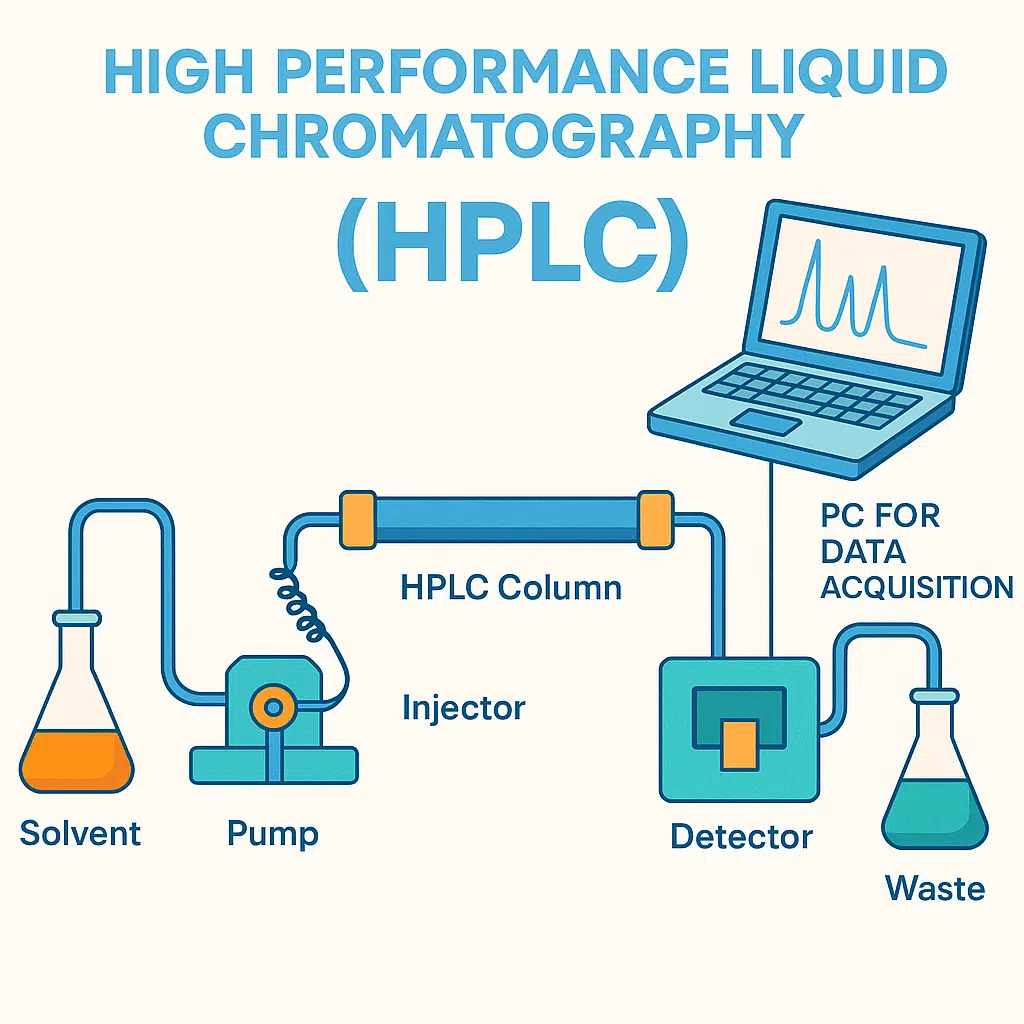
Inside the column are microscopic fragments that briefly "get onto" different materials in the sample. Our newest effective study was a crucial bioequivalence research, where samples from a cross-over study with about 100 volunteers required swift evaluation. Join over 5,000 active members and obtain updates on new arrivals and most current lab reports. These techniques are very delicate, allowing them to detect even map amounts of impurities. Degrees of airborne bit contaminants are identified by checking the presence of variety of bits to adhere to government common 209E which requires 1 cfm for air-borne particulate tidiness. Met One Particle Counter version 237A is used to determine the particle counts in the laboratory. In peptide research, the high quality of your starting materials straight figures out the reliability of your outcomes. High-Performance Liquid Chromatography, commonly called HPLC, is the gold standard analytical approach for evaluating peptide pureness. Understanding what HPLC testing involves and why it matters is essential understanding for any researcher dealing with artificial peptides.Peptides Lab Uk: Setting A Brand-new Standard In Openness
Just how much time does an HPLC test take?
Time Required for HPLC EDTA Examination Records + Next Actions
Once you have scheduled the test and the phlebotomist has actually collected your blood sample, the example is required to the research laboratory, where the test is executed. It normally takes 24-48 hours for the examination record to be created.